PikiP
ACOUS'TIPS #01 - Horns
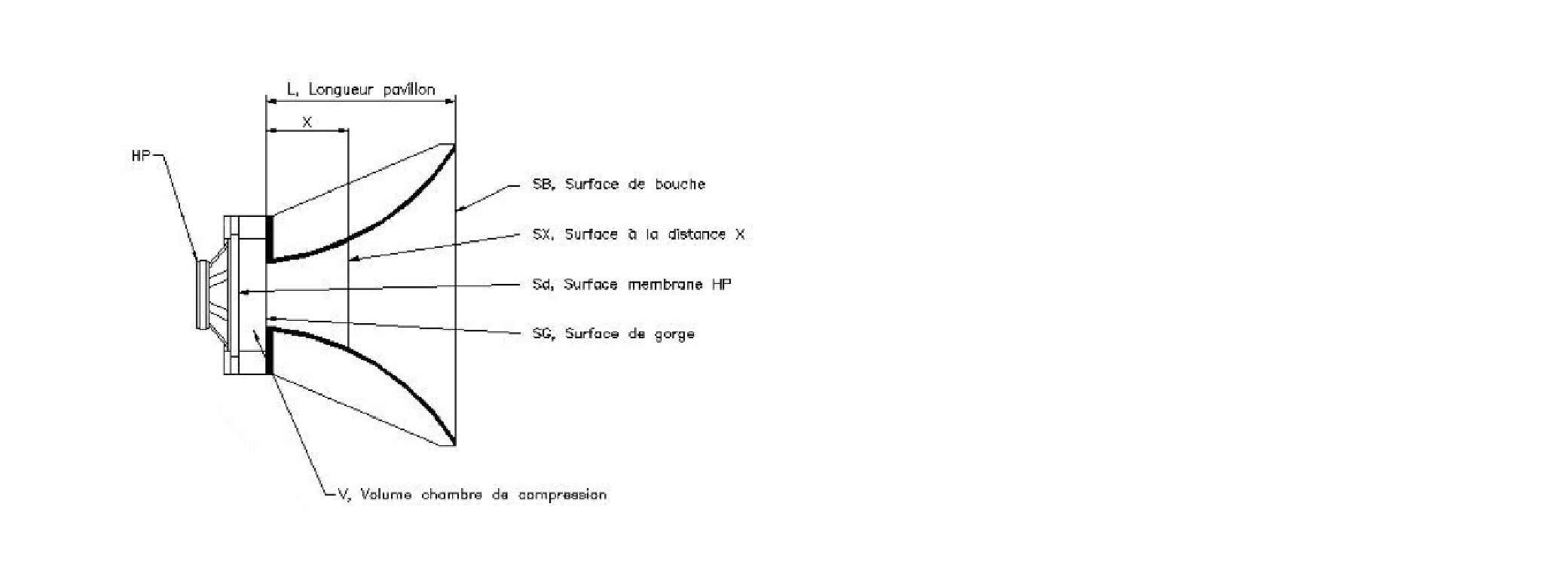
A bit of vocabulary: the transducer is connected to the horn by a compression chamber. One side is called the throat and the sound radiates out to the mouth...
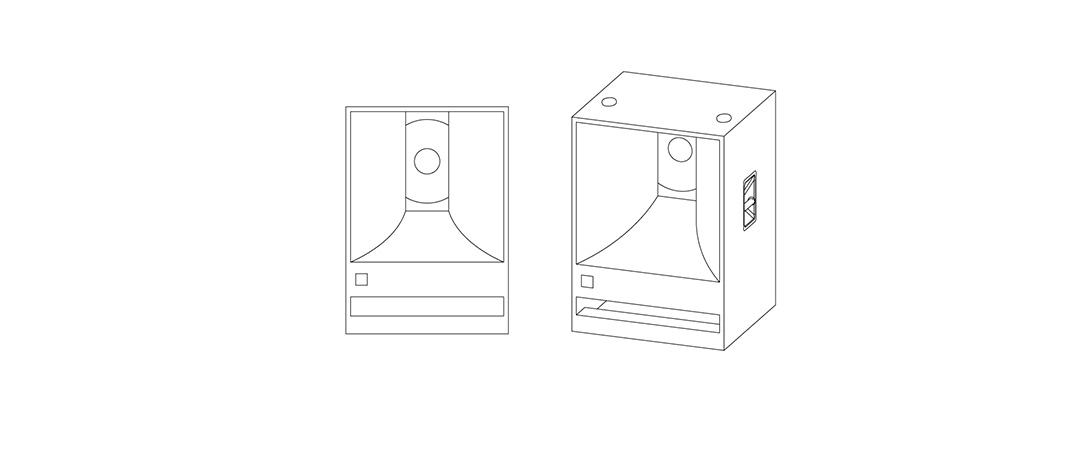
Horns are found everywhere in nature: it is the ultimate principle of natural amplification, and the most efficient one. It is an acoustic tube with a variable cross section that changes the behaviour of a sound source and amplifies it passively.
By opposing resistance to the movement of the diaphragm, the horn creates a transition between the high impedance of the loudspeaker and the very low impedance of the surrounding air, which results in a better energy transfer: this principle, acoustic impedance matching, is what allows a higher sound level to be achieved!
Horns can be conical, exponential, or combine several profiles to obtain the desired properties.
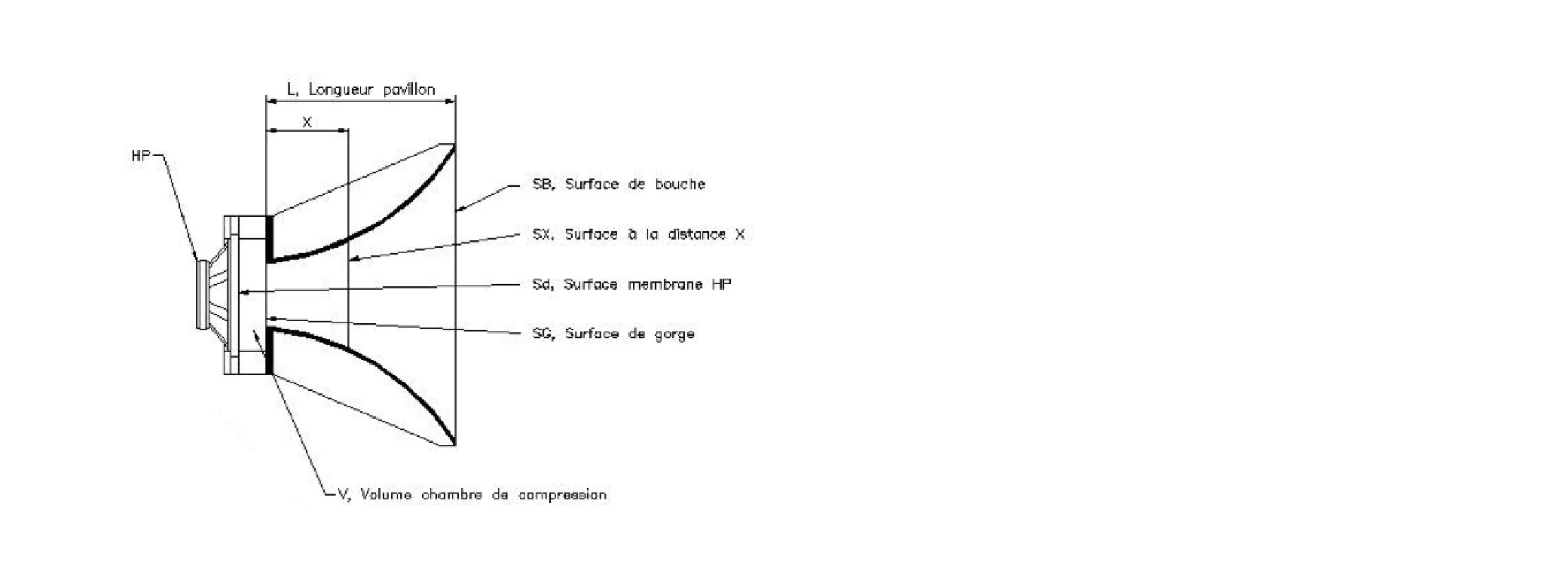
A bit of vocabulary: the transducer is connected to the horn by a compression chamber. One side is called the throat and the sound radiates out to the mouth.
This phenomenon is found naturally in our everyday life: the pinna of the ear collects the sounds that reach us. The throat and the human mouth are, for their part, horns with variable geometry!
The use of horns is very widespread in wind instruments, trumpet-like instruments dating back to 4000 BC have been found in China, and it developed in the 19th century for sound recording and reproduction. Invented by the Frenchman Scott de Martinville in 1857, the Phonautograph is the first sound recording device, and it of course used a horn! Then came Thomas Edison in 1877 with the Phonograph, followed by the famous disc Gramophone.
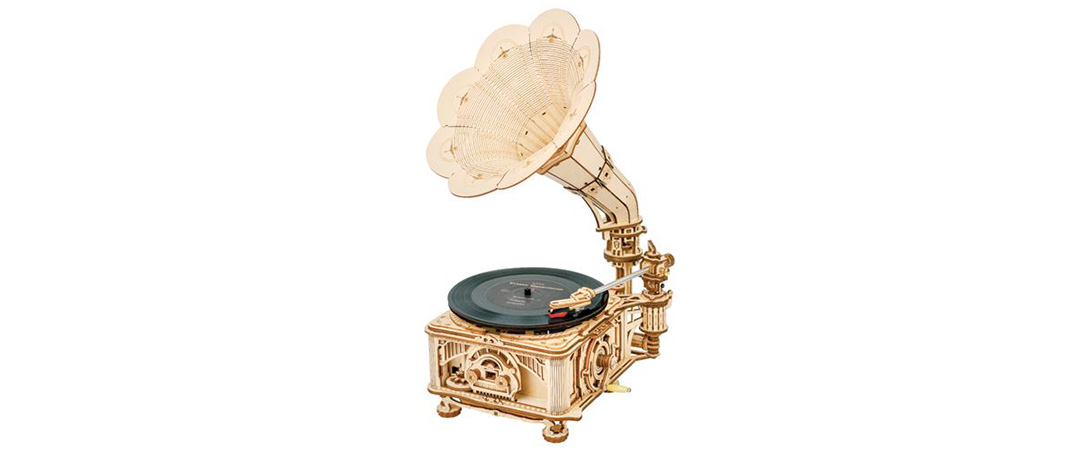
Disc gramophone, the absolute ancestor of the PikiPbooth ;)
During the 20th century, the use of horns developed in professional sound reinforcement systems. Engineers managed to provide significant sound coverage despite amplification power that was still very limited at the time. In the 1950s, ALTEC LANSING's Voice Of The Theatre series arrived in cinemas and theatres, made up solely of loudspeakers coupled to horns.
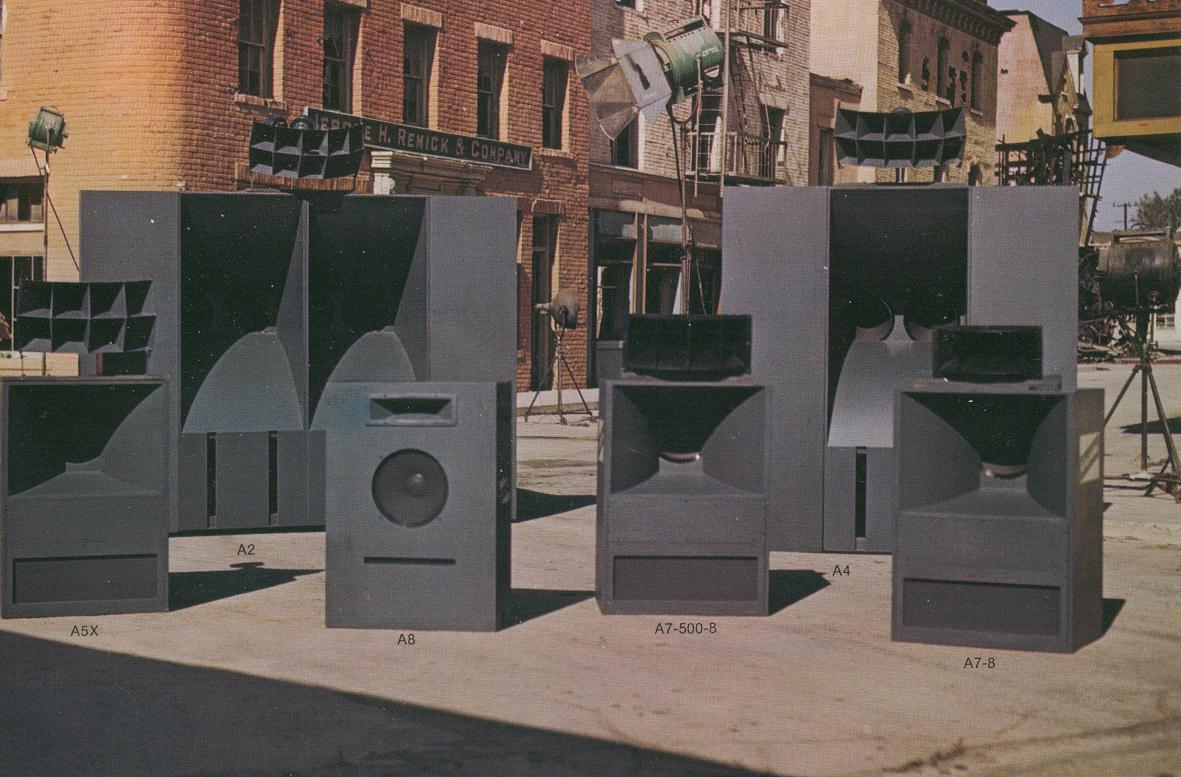
The Voice Of The Theatre, VOTT, is our greatest inspiration, and our Voix du Soleil, VOS, pays tribute to it.
PikiP now uses this process to reduce the energy consumption of its systems. A gain of 10 dB SPL means the consumption is divided by 10! In addition, the horn limits the movement of the diaphragm, which reduces distortion and increases the lifespan of the transducer (loudspeaker or compression driver).
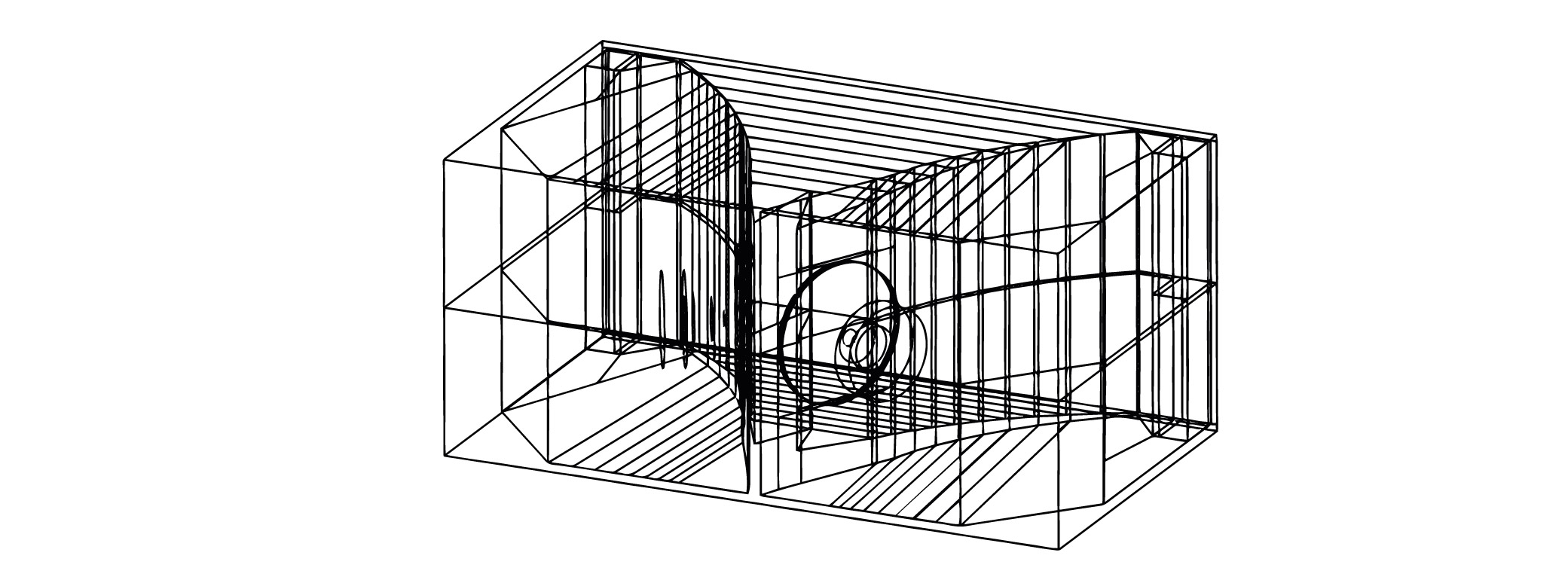
Finally, horns are very often used to control directivity, that is, to concentrate the sound energy in a specific area. This helps to avoid noise nuisance for neighbours and to achieve even coverage for the audience. This is known as a constant-directivity horn. PikiP also uses this technology in the mid and high frequencies.

And the sound?
Horns are, among other things, the Holy Grail of music lovers! Properly designed and manufactured, they bring dynamics, purity and fidelity to the sound: the crack of the snare drum, the vibrant warmth of the saxophone, the shimmer of the xylophone, right through to the sound of your favourite artist's lips or the sound of a guitarist's fingers on the strings, it is all there.
With them, listening becomes sensational!